
Aaron Gibbs, Outstanding Graduate
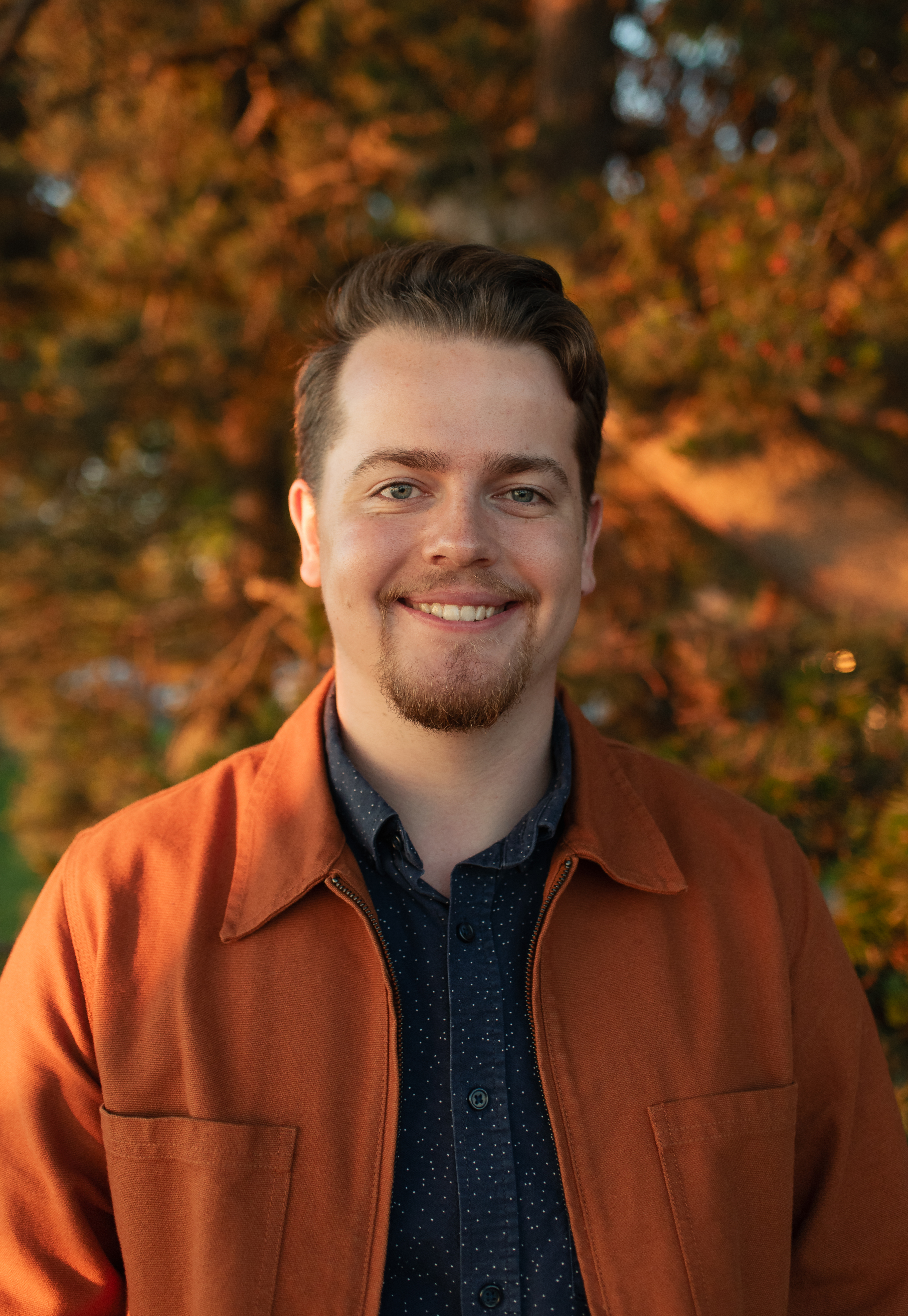
As soon as I made the decision to become a history major as an undergraduate, I knew that my goal was to eventually teach early American history at the college level. An MA in history was the next step, and the strength of Western’s early Americanist faculty was a significant draw for me. I could not have made a better choice! It was a privilege to work with Professors Price, Neem, and Hardesty, as well as every other faculty member whose classes I attended or TA’d for. I have also enjoyed the many discussions with my fellow graduate students, whether in the classroom or the TA office. WWU has also been quite generous with its research grants, which allowed me to travel to Washington, D.C. and locate documents which were critical to completing my thesis.
My biggest piece of advice for potential history MA students is to be open to a variety of potential research topics. My original plan was to study the development of states’ rights ideology during the Jackson administration, but a conversation with Dr. Hardesty drove me to explore the popular reaction to the Jay Treaty. Later, Dr. Price’s Atlantic revolutions seminar inspired me to take an Atlantic approach to my own research. I would also advise graduate students to be intentional about how they manage their time, as it can be very difficult to balance thesis research, graduate seminars, language coursework, and TA responsibilities.
This fall, I will be starting my PhD in history at the University of New Hampshire. I am so excited to have the opportunity to pursue a doctorate, and I am incredibly grateful to the history faculty at WWU for their help during the application process, and for preparing me to move on to the next step in my academic journey.
When asked about the Outstanding Graduate, Professor Jared Hardesty said:
Aaron Gibbs is one of the strongest MA students we have had in our program in the past decade. In addition to maintaining a 4.0 GPA, Aaron’s thesis examining the Jay Treaty (the mid-1790s agreement between the US and Great Britain over trade relations and territory) breathes new life into old, tired scholarly debates. He’s been a very effective teaching assistant (TA) in a variety of history courses and this year Aaron served as the lead TA—helping with TA assignments and mentoring new TA’s. Aaron also received funding from the History Department and WWU’s Research and Sponsored Programs to conduct research at the Library of Congress and United States National Archives in Washington, DC. He has been accepted into PhD programs with excellent reputations in his field and will be attending the University of New Hampshire next year—with full funding—to further his study of the early American republic. Aaron is a promising young scholar and teacher whom we already consider a colleague.