
Archaeology Summer Field Program
ANTH 312 - Field Course in Archaeology, 12 credits
Summer Quarter June 25 - August 2, 2024
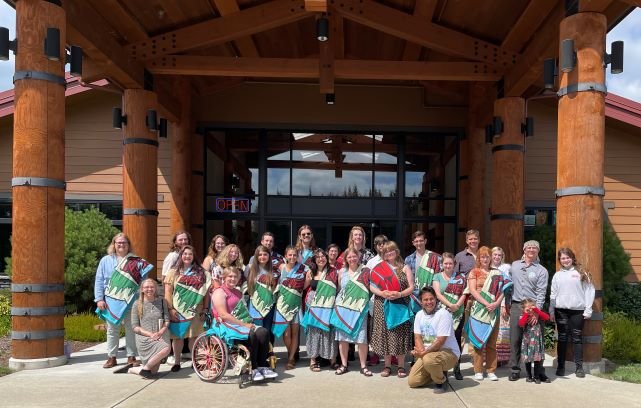
The Western Washington University Archaeological Field School is a six-week intensive program that will provide participants with hands-on experience in modern methods of archaeological data collection, analysis, interpretation, and collections curation. The Field School is a component of the x̌ʷiq̓ʷix̌ʷalqʷuʔ Project, an indigenous-led project in partnership with the Stillaguamish Tribe. Participants in the program will gain practical experience in archaeological field methods and community-based participatory research. The program will provide an introduction to archaeological survey, excavation, and analysis methods implemented in different sectors of the field.
Prerequisites: Introduction to Archaeology course (ANTH 210) or permission from instructor.
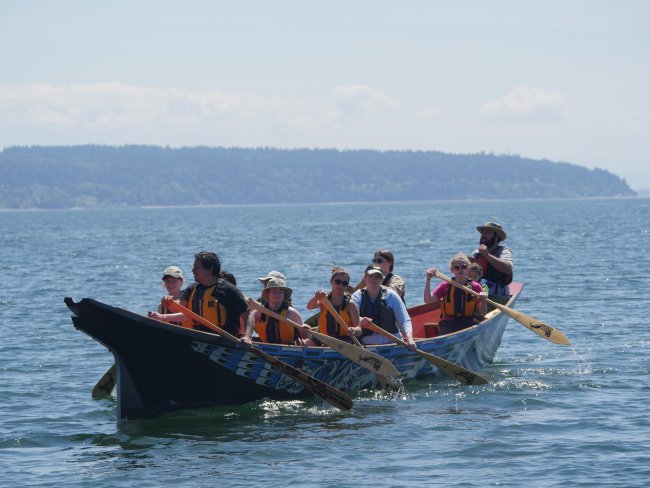
Photo: Canoe Paddle from Camano Island, 2022 Field Season
x̌ʷiq̓ʷix̌ʷalqʷuʔ (Blue Water) Project
The x̌ʷiq̓ʷix̌ʷalqʷuʔ Project is an indigenous-led partnership between the Stillaguamish Tribe Cultural Department and the Department of Anthropology at Western Washington University. The research goals, methods, and products of the program center on tribal priorities. The project will focus on the basic field methods implemented in cultural resource management and academic archaeology as well as collaborative skills necessary for community-based participatory research. Capacity building is a central goal of this collaboration, particularly in creating opportunities for tribal members and indigenous-identified students in archaeological practice, including undergraduate and graduate degree programs and professional positions in academia, heritage resource management, and historic preservation. The broader goal of the program is to foster a more open and inclusive approach to archaeology based on active partnership and respect for the sovereignty of indigenous peoples over their own past.
Project Directors
Sam Barr, Stillaguamish Tribe Historic Preservation Team
Jerald Ek Romero, Department of Anthropology, Western Washington University
Beatrice Franke, Stillaguamish Tribe Historic Preservation Team
Kerry Lyste, Stillaguamish Tribe Historic Preservation Team
Field School Contact
Jerald Ek Romero, Assistant Professor, Department of Anthropology, Western Washington University ekg@wwu.edu
Participants in the program will gain practical skills in the following areas:
- Surface Survey
- Shovel testing
- Stratigraphic excavation
- Laboratory collections curation and analysis
- Cartography and orienteering
- Geographic Information Science (GIS)
- Remote sensing
- Landscape archaeology and geoarchaeological methods
- Communication and collaboration skills essential for Community-Based Participatory Research
Program Cost: $600 plus tuition